
"Ethiopian processing"
4000 article(s) found

Ethiopian Coffee Sidamo characteristics taste and flavor description Ethiopian Coffee Sidamo is good
Professional coffee knowledge exchange more coffee bean information please follow the coffee workshop (Wechat official account cafe_style) what is the special flavor of Ethiopian Sidamo coffee? What are the taste characteristics of Ethiopian coffee producing areas? The Guji producing area in southern Ethiopia is adjacent to Sidamo and Gedeo, with towering mountains and high mountains.

The hometown of Ethiopian Arabica Coffee the grade of Ethiopian coffee
Professional coffee knowledge exchange more coffee bean information Please pay attention to the coffee workshop (Wechat official account cafe_style) afraid of insomnia, palpitations, drink decaf coffee is healthier? Are you worried about palpitations, insomnia, or switching to decaffeinated coffee because of pregnancy? When drinking coffee, you want to consume less caffeine, which is actually similar to the variety of coffee beans and the size of grinding particles.

Ethiopian Coffee washing Station recommends Gucci Coffee washing Station to introduce the flavor description of Gusai Coffee
For more information about coffee beans, please follow the Coffee Workshop (Wechat official account cafe_style) Water washing Station: Deri-Teshome-Gemechu area: Guji process: fully washed varieties: Ethiopian heirloom flavors: honey, drupes, roses Ethiopian coffee is usually purchased through the Ethiopian Coffee Exchange (ECX). In the past, ECX has been proven

Ethiopian Coffee Manor Fine Coffee Bean Origin, Development, History and Culture
It has been estimated that there are at least 2000 varieties of Ethiopian coffee and even more than 4500 kinds of coffee. Compared with the fat posture of Bourbon SL28, the main variety next to Kenya to the south, or Tibica in Central and South America and Asia, Ethiopian beans look a little malnourished. But beans can't be judged by appearance, and Ethiopian coffee has the highest citrus flavor in the world, whether it's instant coffee or

ADORSI processing plant special prefabricated treatment in 2018 to 19 production season Ethiopian raw bean competition sun
Professional Coffee knowledge Exchange more coffee bean information please follow Coffee Workshop (official account of Wechat cafe_style) Coffee production country: Africa Africa, Ethiopia Ethiopian Coffee Manor: ADORSI processing Plant, Aricha Areqia, Yejia Xuefei Coffee Variety: Heirloom Ethiopian original species (biography)

Flavor description of Ethiopian Coffee Manor introduction of High-quality Coffee beans in producing areas
In February 1977, Lieutenant Colonel Mengistu Haier Maryam (MENGISTU HAILE MARIAM) launched a military coup and served as Chairman of the interim military Administrative Council and head of State. In 1979, the Ethiopian Labor people's Party Organization Committee, dominated by soldiers, was established to implement an one-party system. In 1984, the Ethiopian Workers' Party was formed according to the Soviet Communist Party model. Mengistu, September 1987

The birth process of Ethiopian boutique coffee how Ethiopian boutique coffee was born
Coffee forests in Ethiopia's Balle National Park in eastern Africa are as high as 2000 meters above sea level. The coffee rich here was named one of the five best coffees in Africa in 2012. Coffee grows naturally here and is still picked and collected by a small group of about 5000 local people. Decades ago, the first road was built here to bring the coffee forest, which had been isolated, closer.

Ethiopian Coffee | characteristics of Ethiopian Coffee
Ethiopian coffee for hundreds of years, Ethiopia has provided the world's most acclaimed single-origin high-quality coffee beans. In general, Ethiopian coffee is famous for its complex taste, spicy wine and unique acidity. Altitude range: 1500-2200 m above sea level language: Amharic harvest season: November-February annual coffee output: 660

Ethiopian coffee introduction Ethiopian coffee beans exquisite coffee beans and introduction
Ethiopia is the hometown of Arabica coffee, and it is in the forests of Kaffa that you can see wild Arabica coffee. In Ethiopian, coffee is called Bun or Buna, and coffee beans (coffee bean) may be translated from Kaffa Bun. Arabica coffee was discovered early in the Harald area.
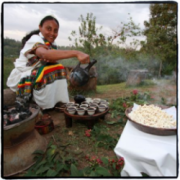
Introduction to Ethiopian boutique coffee
Saifeng is one of the highest quality coffee producers in the world. The unique geographical environment, a wide variety of coffee varieties and the tradition of wet processing make Ethiopian coffee bring us bright and vivid taste and rich fruit and flower aromas.

How to deal with the processing of Ethiopian single bean? how to divide the grade of Ethiopian single bean?
Professional barista exchanges please follow the coffee workshop (Wechat official account cafe_style) the world-famous Ethiopian coffee are: 1. Limu coffee grows between 1400 meters and 2000 meters above sea level. Wash the coffee. Excellent quality, with strong nut aromas, suitable acidity, with the intensity of wine. The annual output is 29000 tons. 2. Jima coffee grows at an altitude of 140.

Introduction to the flavor and taste characteristics of the charming Ethiopian boutique coffee bean manor.
A large amount of coffee production (95%) is done by small shareholders, with an average yield of 561 kg per hectare. For centuries, minority holders of Ethiopian coffee farms have been producing a variety of high-quality types of coffee. The secret of producing high-quality coffee is that coffee growers have developed environmental conditions through generations of repeated learning about the coffee planting process.

How about Starbucks Ethiopian food? Starbucks launches Ethiopian moderately roasted coffee
Yega Xuefei is a small town in Ethiopia, 1700-2100 meters above sea level. It is located in the northwest of Sidamo Province. It is one of the highest coffee producing areas in Ethiopia and is synonymous with Ethiopian boutique coffee. Strictly speaking, Yega Xuefei is a by-product area of Ethiopia's Sidamo producing area (Sidamo), which is independent because of its special flavor.

Ethiopian Sun-Sitama Ethiopian Coffee Bean Introduction
SIDAMO G-1 SPECITLTY PRODUCTION AREA: GUJI PRODUCTION AREA ALTITUDE: 1900-2200 METERS VARIETY: Arabica BEAN SEED: HEIRLOOM TREATMENT: Sun-drying, Shelter-drying Product Specifications: 60kg sacks Outer packaging lined with American patent GRAIN PRO bag Flavor: red wine, lemon, citrus fragrance, jasmine flower fragrance, peach juice, unique flavor fruit drink.

The grade of Ethiopian coffee in Ethiopian coffee producing areas
The grade of Ethiopian coffee: Ethiopian water washed coffee Yega Xuefei, the highest grade of Yirgacheffe and Sidamo may be level 2 or 3 (G2 or G3), and most sun-processed coffee in eastern Ethiopia is grade 4 or 5 (G4, G5). In many cases, level 4 coffee is marked as level 5 in order to reduce taxes. The current classification is not very uniform.

Ethiopian Coffee Manor Regional Flavor description Taste processing Brand
Flavor description of Ethiopian Coffee Farm the geographical environment of Ethiopia is very suitable for coffee growth. Coffee is mainly grown in the southern highlands between 1100 and 2300 meters above sea level. The soil in these areas is well drained, slightly acidic and red loose. Currently, about 25% of the Ethiopian population depends directly or indirectly on coffee production for a living. Use tradition

A brief introduction to boutique coffee and Ethiopian coffee
Ethiopia is the hometown of Arabica coffee, and it is in the forests of Kaffa that you can see wild Arabica coffee. In Ethiopian, coffee is called Bun or Buna, and coffee beans (coffee bean) may be translated from Kaffa Bun. Arabica coffee was discovered early in the Harar area, probably from the card.

Ethiopian coffee beans grinding scale processing method taste estate varieties production area introduction
Ethiopia grows coffee in different climatic zones, so it has more than 140 farm varieties and fresh coffee production all year round. The quality of Ethiopian coffee varies according to different altitudes and geographical ecological environments. Harar coffee from the South-East Highlands is typical mocha coffee with a rich aroma; Wollega coffee from the South-West has a strong fruity flavor;Limu coffee
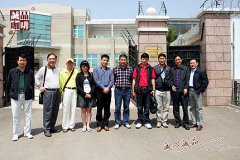
Ethiopia's admirable coffee country
In the world of coffee, there are countless stories and reports about Ethiopia: the birthplace of coffee, the story of shepherds, the thought-provoking documentary Black Gold, and so on. None of the above is an important reason for our visit. This time, we of Guangzhou Coffee Association (Lin Guangchao, Vice President Lin Yaohui, Vice President Xiao Fei, Vice President Tang Jinqing and Mr. Liang Rengming) are in Ethiopia.

Description of flavor of Ethiopian Yega Xuefei G2 washing cup introduction of taste varieties
Ethiopian Yega Xuefei G2 washing cup flavor description Origin Ethiopian coffee is processed by two processing methods: sun and water washing, the flavor of coffee processed by different processing methods is very different, generally speaking, the alcohol thickness and soil taste of washed Sidamo, Yirgacheffe and Limmu coffee are slightly lower, and the taste of sun-processed coffee is more wild. But every Essex coffee